Choosing the best yarns and wools for knitting garments and amigurumi can completely change the final result of your projects. The right fiber affects stitch definition, softness, warmth, durability, and even the overall shape of your crochet or knitted pieces. In this guide, you will discover the best yarn types for sweaters, cardigans, summer tops, baby clothes, and amigurumi dolls, including the advantages of cotton, acrylic, wool, alpaca, and blended fibers for different seasons and skill levels.
If you have ever followed an amigurumi pattern and your doll came out too big, full of holes, or just strange looking, you probably did not choose the best yarn for amigurumi.
There is a very high chance the problem was not the pattern.
It was the yarn.
🧶 Best yarn options for amigurumi beginners (fix your results fast)
Choosing the right yarn will completely change your results. Here are two safe options for beginners:
✔ Cotton yarn (best for structure and stitch definition)
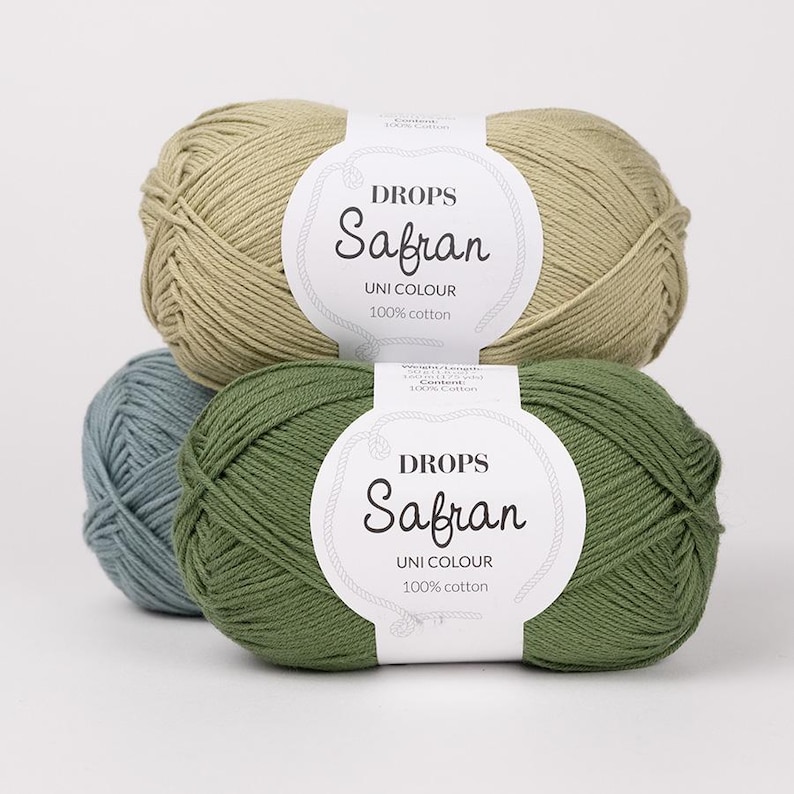
🇺🇸 View on Amazon USA
🇪🇸 View on Amazon Spain
✔ Acrylic yarn (softer and more affordable)
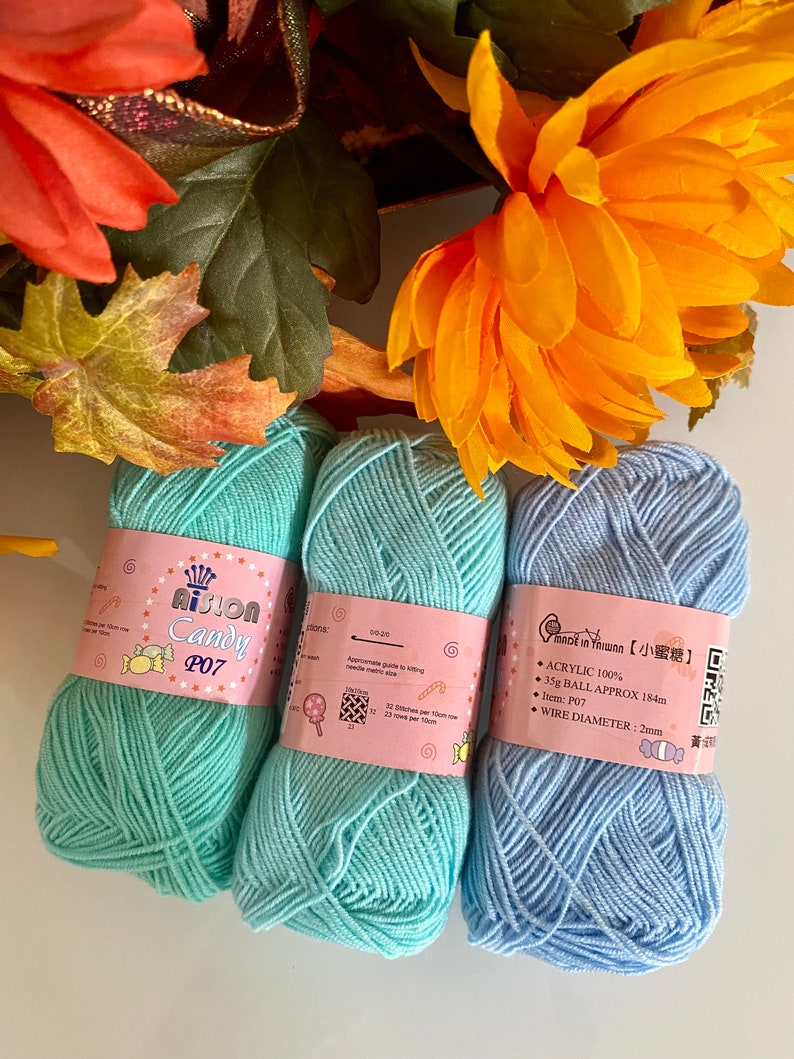
🇺🇸 View on Amazon USA
🇪🇸 View on Amazon Spain
One of the most common mistakes beginners make when starting amigurumi is assuming that any yarn will work. In regular crochet projects that is often true, but amigurumi is different. Small stitches, tight tension, and shaping depend heavily on the material you choose. Two people can follow the exact same pattern and end up with completely different results — for example a simple amigurumi doll like this one — because they used a different type of yarn.
This is also why many beginners think they are doing something wrong. The stitches look loose, the stuffing shows through, the head loses its shape, or the toy becomes much larger than expected. The pattern is usually correct — the yarn simply was not the right one for amigurumi.
In this guide I will explain in simple terms which yarn works best, which yarn to avoid, and what I personally use for my own amigurumi dolls. By the end, you will be able to walk into a craft store (or shop online) and confidently choose a yarn that actually works for amigurumi.
“The Short Answer”
If you only want a quick recommendation:
Cotton yarn is considered the best option for amigurumi beginners because it keeps the stitches tight and the shape stable.
For most amigurumi projects, the best choice is a medium (worsted weight) cotton or cotton-blend yarn used with a smaller crochet hook than the label suggests.
Cotton yarn helps the stitches stay defined, keeps the shape of the toy, and prevents the stuffing from showing through the fabric. Using a slightly smaller hook creates tight stitches, which is exactly what amigurumi needs.
This single change already solves most of the problems beginners have with amigurumi.
If you want a clean and firm result, choosing the right yarn is key — here is what you need to know.
Cotton vs Acrylic for Amigurumi
This is probably the biggest question beginners have:
Should you use cotton yarn or acrylic yarn for amigurumi?
Both can work, but they behave very differently.
Cotton Yarn
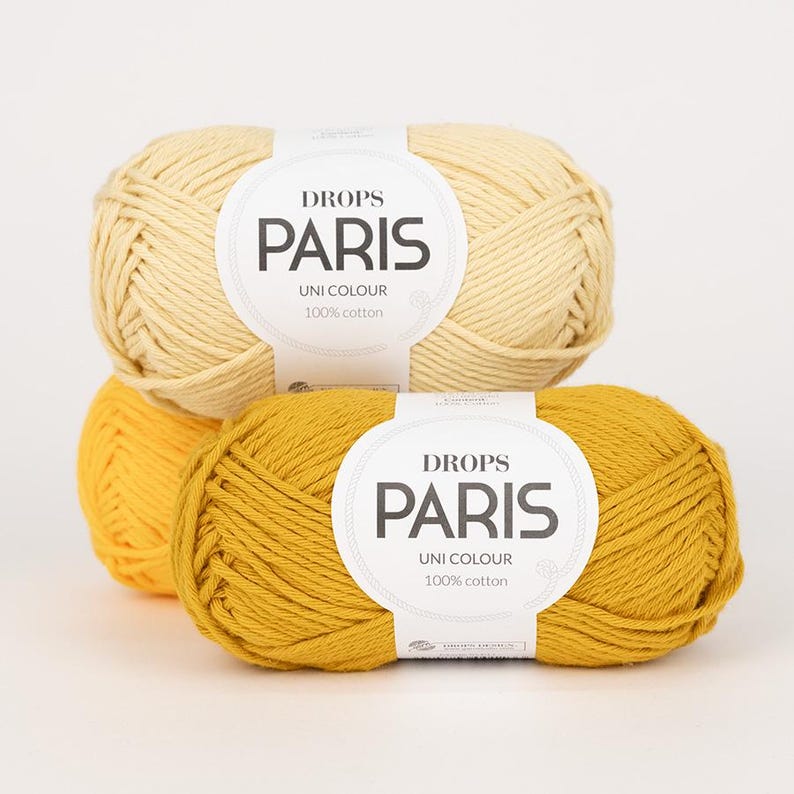
Cotton yarn is generally considered the most reliable choice for amigurumi. It has very little stretch, which means your stitches stay in place and the shape of the toy remains firm. This makes details such as heads, legs, and small pieces much easier to control.
It also creates very defined stitches. When you look at a finished amigurumi made with cotton yarn, you can clearly see the neat stitch pattern. This is the classic look most people expect from amigurumi dolls.
Cotton is often considered the best yarn for amigurumi beginners because stitches stay visible and neat.
**Pros:**
* Keeps the shape of the toy
* Clear and defined stitches
* Stuffing does not easily show through
* Easier to sew pieces together
**Cons:**
* Can feel harder on the hands
* Slightly less forgiving for very tight tension
Acrylic Yarn
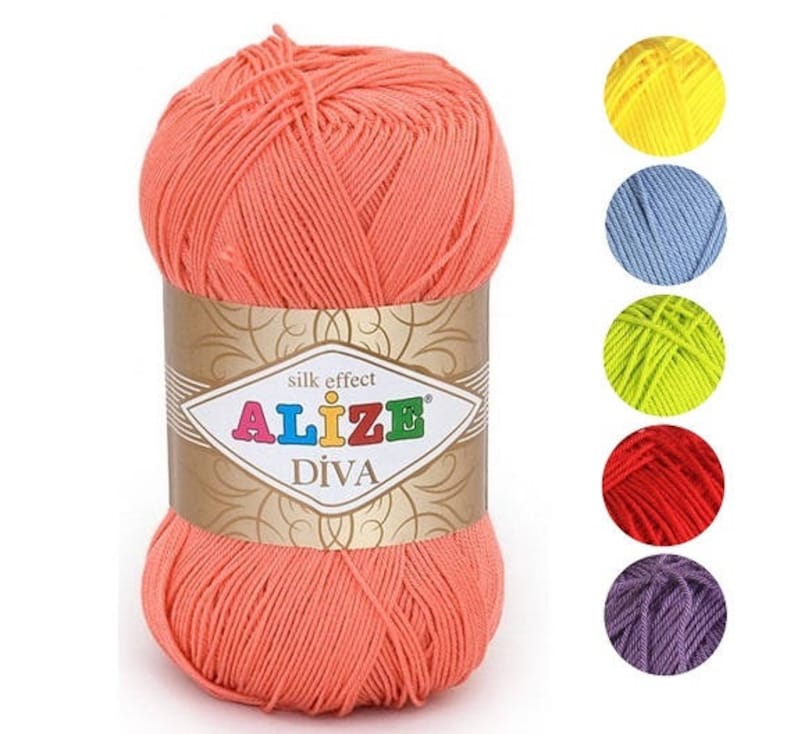
Acrylic yarn is softer and usually cheaper, which is why many beginners start with it. It is perfectly usable for amigurumi, but it behaves differently. Acrylic stretches more, and that stretch can make small parts lose shape if the stitches are not tight enough.
The advantage is that it is easier to crochet and widely available in many colors. If you use a smaller hook and keep your stitches tight, acrylic yarn can still produce very nice results.
**Pros:**
* Soft and comfortable to work with
* Affordable
* Easy to find in craft stores
**Cons:**
* More stretch
* Shapes can deform more easily
* Stuffing may show if stitches are loose
Which one should a beginner choose?
If you want the safest and most predictable result, choose cotton yarn.
If cotton feels too hard on your hands, a cotton-blend or a tightly crocheted acrylic yarn is also a good option. The most important thing is tight stitches and consistent tension — but the right yarn makes that much easier.
Best Yarn Weight for Amigurumi
Another very common problem in amigurumi has nothing to do with skill — it has to do with yarn size.
Many beginners pick a yarn simply because they like the color, without noticing the yarn weight. However, amigurumi patterns are designed with a specific thickness of yarn in mind. If the yarn is much thicker or thinner, the proportions of the toy change completely.
This is why sometimes a small doll turns into a large plush, or a cute animal ends up with a loose fabric and visible stuffing.
For most amigurumi patterns, the safest choice is:
**Medium / Worsted weight yarn (often labeled as weight #4).**
This size is thick enough to hold shape but still small enough to create detailed pieces. It is also the easiest yarn to control for beginners.
You can learn more about yarn weight standards at the Craft Yarn Council website.
What happens if the yarn is too thick?
* The toy becomes much larger than expected
* The stitches look bulky
* Small details become difficult to shape
What happens if the yarn is too thin?
* The fabric becomes loose
* Stuffing shows through
* The toy loses structure
You *can* change the final size of an amigurumi by changing the yarn weight, but beginners should first aim for a stable and predictable result. Using a medium weight yarn removes a lot of frustration and makes the pattern behave the way it was designed to.
What I Personally Use
After trying many different yarns over time, I learned that consistency matters more than brand names. Amigurumi works best when you always use a similar type of yarn, because you learn how it behaves and your tension becomes more even.
For most of my amigurumi dolls, I use a **medium weight cotton or cotton-blend yarn** with a crochet hook smaller than the one recommended on the label. This gives me tight stitches, good structure, and clean shaping.
I avoid very soft yarns and very fuzzy yarns, even if they look beautiful in the skein. They tend to hide the stitches and make sewing the pieces together much harder. When the stitches are clear and visible, assembling the doll becomes much easier and the final result looks neater.
You do not need an expensive or special yarn to make a good amigurumi. A simple, consistent yarn that holds its shape will almost always give you better results than a fancy yarn that stretches too much.
Once you find a yarn that works well for you, stick with it for a while. Your hands will learn the tension automatically, and your amigurumi will start to look more uniform and professional.
Common Mistakes Beginners Make When Choosing Yarn
If your amigurumi has not turned out the way you expected, you are not alone. These are some of the most common yarn-related mistakes beginners make:
1. Choosing very fuzzy or fluffy yarn
Fuzzy yarn may look soft and cute, but it hides your stitches. This makes it very hard to see where to insert your hook, especially for beginners. It also makes sewing pieces together more difficult.
2. Using baby yarn that is too soft
Very soft baby yarn often stretches more than expected. While it feels nice to work with, it can cause the toy to lose its shape over time.
3. Following the hook size on the label
For amigurumi, you usually need a **smaller hook** than what the yarn label suggests. The label is designed for regular crochet projects like scarves or blankets — not tight, stuffed toys.
4. Picking yarn only because of color
Color is important, but structure is more important. Always check the yarn weight and fiber type before deciding.
5. Switching yarn types in the middle of a project
Changing from cotton to acrylic (or vice versa) can slightly alter tension and shape. Try to stay consistent within one project.
The good news is that none of these mistakes are permanent. Once you understand how yarn affects your amigurumi, everything becomes much easier and more predictable.
Final Advice for Beginners
If you are just starting with amigurumi and wondering how to choose the best yarn for amigurumi, do not overcomplicate the process.
Choose a medium weight cotton or cotton-blend yarn, use a slightly smaller hook, and focus on keeping your stitches tight and consistent.
You do not need the “perfect” yarn to begin. What matters most is understanding how your yarn behaves and learning to control your tension. Once you gain experience, you can experiment with different fibers and textures.
Amigurumi becomes much more enjoyable when your materials work with you instead of against you. Choosing the right yarn from the start saves frustration, time, and unnecessary mistakes — and helps your finished pieces look exactly the way you imagined.
After choosing the right yarn, you can try it in a simple project like this…
Now you know how to pick the best yarn for amigurumi beginners and avoid the common mistakes most new crocheters make.
If you are still exploring options or want more variety, here are a few additional yarns worth considering:
Recommended Yarn Products for Your Amigurumis
Choosing the right yarn is essential for creating amigurumis that look polished, feel soft, and last for years. Here are some of our top yarn recommendations for different needs and skill levels:
1️⃣Caron Simply Soft Cotton (or similar cotton yarn)
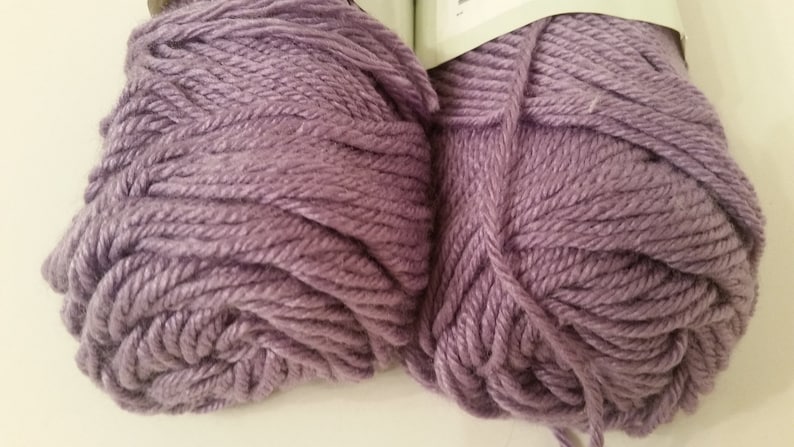
Soft, durable, and beginner-friendly—perfect for bodies of small to medium amigurumis.
Recommendation:
For the body of most amigurumis, a soft cotton yarn like this works perfectly, giving a smooth finish and good stitch definition.
👉 Browse all colors on LoveCrafts (more variety available)
👉 Check availability on Amazon (fast shipping and local pricing)
View on Amazon USA
View on Amazon Spain
👉 Explore options on Etsy (unique listings and independent sellers)
2️⃣Red Heart Soft Baby Steps
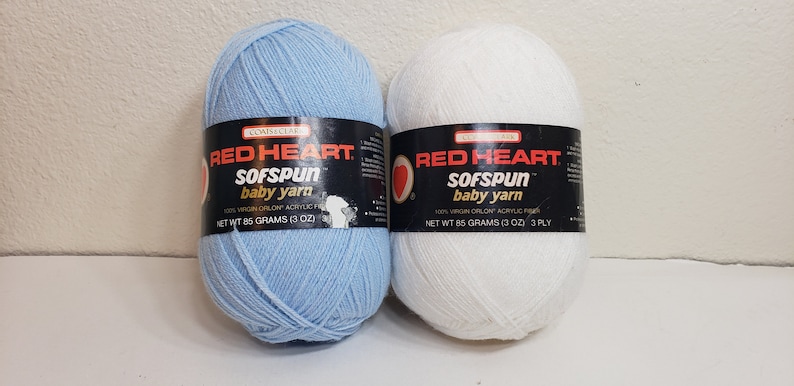
The “all-around” favorite for beginners. This premium acrylic yarn offers vibrant colors and effortless care. Its structure is slightly sturdier and less slippery than other soft yarns, making counting your stitches much easier—a game-changer for those just starting!
Recommendation: Beginners often prefer high-quality acrylics like this because they are affordable, easy to work with, and available in a vast palette. It provides a consistent, “cushiony” finish that keeps its shape beautifully.
👉 [Find your favorite colors on Etsy] (Best for specific shades and custom bundles)
👉 [Browse similar acrylic yarns on LoveCrafts] (Filter by DK weight for perfect amigurumi proportions)
👉 [Check options on Amazon] (Fast shipping and competitive local pricing)
- View on Amazon USA
View on Amazon Spain
3️⃣
DMC Natura Just Cotton
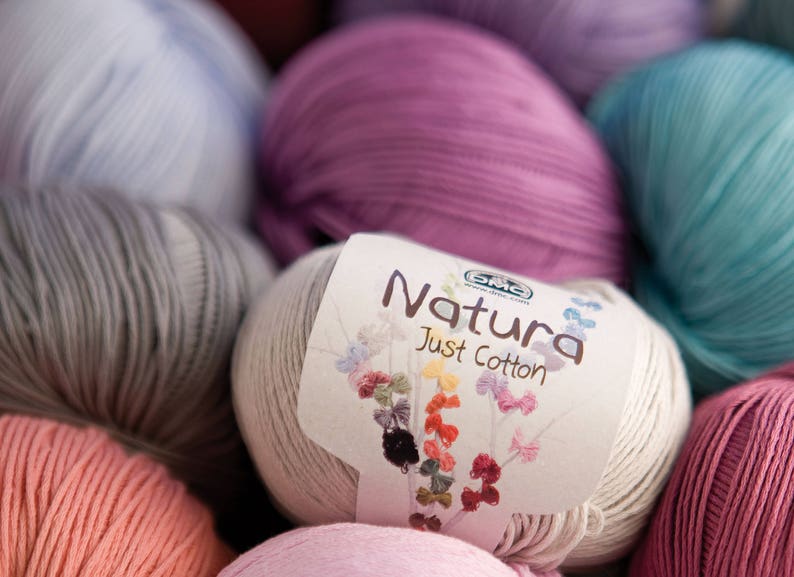
Exquisite definition for detailed work. This yarn (or similar high-end cotton blends) offers great elasticity and a soft, professional sheen. It is the perfect choice for small details, miniatures, and crisp stitch definition.
Recommendation: “For delicate facial features or tiny hands, this material works beautifully. It ensures your miniatures look polished and hold their form over time.”
👉 [Browse cotton yarns on LoveCrafts] (Ideal for detailed work and a wide range of colors)
👉 [Check similar options on Amazon] (Fast shipping and local pricing)
- View on Amazon USA
View on Amazon Spain
4️⃣ Scheepjes Catona (Fine / Sport Cotton)
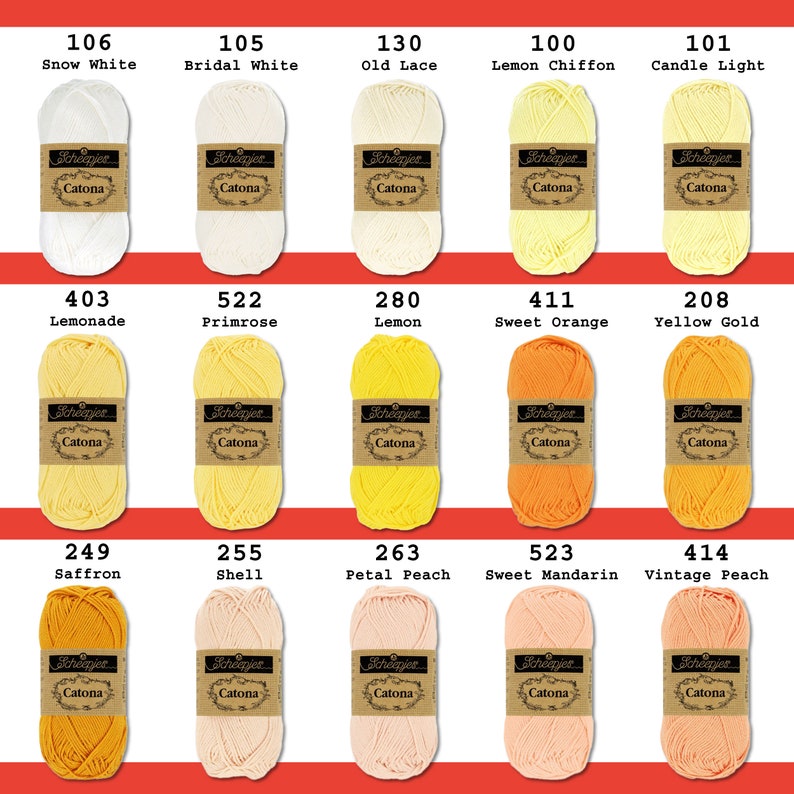
The gold standard for crisp stitch definition. This fine mercerized cotton is a favorite for creators who love working on mini amigurumis or projects that require intricate, clean details. It offers a stunning professional finish and a subtle sheen that makes every stitch pop.
Recommendation: “If you are looking for precision, this is it. Its firm structure and lack of fuzzing make it ideal for tiny features, ensuring your dolls look polished and high-end.”
👉 [Browse cotton yarns on LoveCrafts] (Great for fine details and a wide range of colors)
👉 [Check similar options on Amazon] (Fast shipping and competitive local pricing)
- View on Amazon USA
View on Amazon Spain
Best Yarn for Crochet Sweaters
Choosing the best yarn for a crochet sweater is very different from choosing yarn for amigurumi. A sweater needs warmth, comfort, flexibility, and good drape — not just structure.
The right yarn can make the difference between a sweater you love wearing and one that feels too stiff, too heavy, or uncomfortable after a few hours.
If you are planning to crochet a wearable sweater, these are the most important things to consider before choosing your yarn.
What Makes a Good Sweater Yarn?
A good sweater yarn should:
* Feel comfortable against the skin
* Have enough flexibility for movement
* Keep its shape over time
* Match the season you plan to wear it in
* Create a fabric that is not too stiff or too loose
Unlike amigurumi, sweater crochet usually benefits from softer yarns with more drape and elasticity.
Best Fiber Types for Crochet Sweaters
Wool Yarn
Wool is one of the best choices for warm crochet sweaters. It provides excellent insulation while still remaining breathable. Wool also has natural elasticity, which helps sweaters keep their shape better over time.
Merino wool is especially popular because it feels much softer against the skin than traditional wool.
**Best for:**
* Winter sweaters
* Oversized sweaters
* Cold climates
**Pros:**
* Warm and breathable
* Good elasticity
* Comfortable for layering
**Cons:**
* Can be more expensive
* Some wool types may feel itchy for sensitive skin
Acrylic Yarn
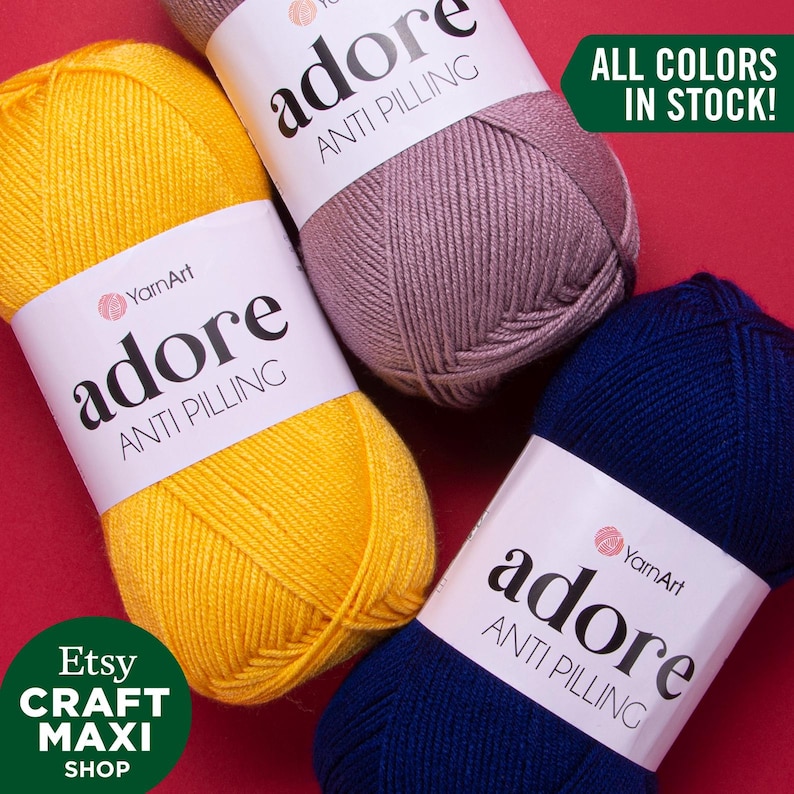
Acrylic yarn is one of the most beginner-friendly options for crochet sweaters. It is affordable, easy to wash, and available in countless colors.
Modern premium acrylic yarns are often much softer than older acrylics and can work very well for casual everyday sweaters.
**Best for:**
* Beginner sweaters
* Budget-friendly projects
* Everyday wear
**Pros:**
* Affordable
* Easy care
* Lightweight
* Widely available
**Cons:**
* Less breathable than natural fibers
* Can pill over time
Silk Yarn for Crochet
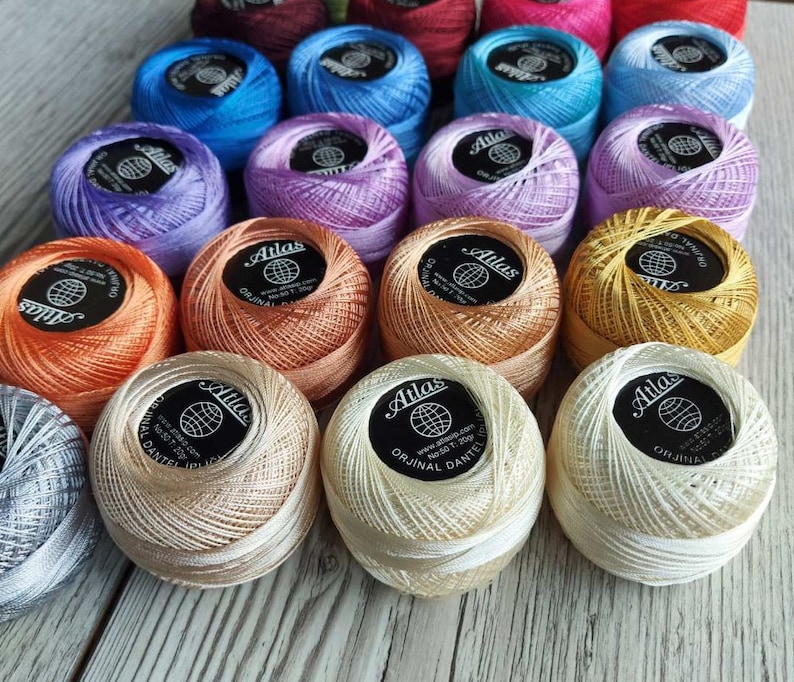
Silk yarn is considered one of the most luxurious fibers used in crochet. Known for its softness, natural shine, and lightweight feel, silk creates elegant garments with beautiful drape and a refined finish.
Unlike thicker fibers commonly used for amigurumi, silk yarn is usually chosen for delicate crochet projects such as shawls, lightweight sweaters, lace tops, scarves, and sophisticated accessories. Its smooth texture allows stitches to flow naturally, creating fabrics that feel soft and comfortable against the skin.
One of the biggest advantages of silk yarn is its ability to regulate temperature. It feels cool in warm weather while still providing light insulation, making it suitable for both spring and summer crochet garments.
Best Uses for Silk Yarn
- Lightweight crochet tops
- Shawls and wraps
- Elegant cardigans
- Lace crochet projects
- Luxury accessories
Pros of Silk Yarn
- Extremely soft texture
- Natural glossy finish
- Lightweight and breathable
- Beautiful drape for garments
Cons of Silk Yarn
- Usually more expensive
- Can feel slippery for beginners
- Less structure than cotton or wool
- Requires gentle care when washing
Many crocheters prefer silk blends rather than pure silk because blends can improve durability and reduce cost while keeping the softness and elegant appearance of the fiber.
If you want your crochet garments to feel lightweight, sophisticated, and comfortable to wear, silk yarn is an excellent premium option worth exploring.
Cotton Yarn
————–
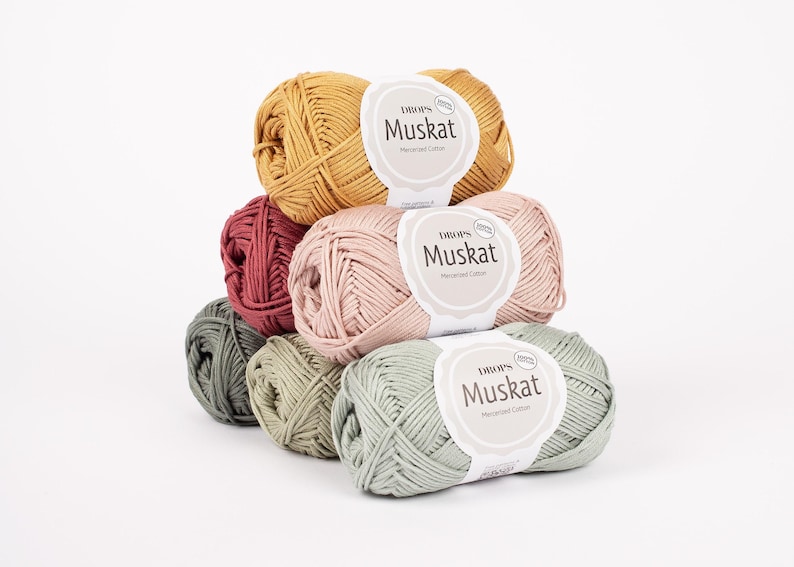
Cotton yarn creates breathable and lightweight sweaters that are ideal for spring and summer. It gives excellent stitch definition and feels fresh against the skin.
However, cotton has less elasticity than wool or acrylic, so very heavy sweaters may stretch over time.
**Best for:**
* Spring sweaters
* Summer pullovers
* Lightweight cardigans
**Pros:**
* Breathable
* Soft and fresh
* Great stitch definition
**Cons:**
* Less stretch
* Can become heavy in large garments
Multicolor Yarn Types for Crochet and Knitting

Multicolor yarns can completely transform the appearance of a crochet or knitting project without requiring frequent color changes. These yarns create visual effects automatically as you work, making them popular for sweaters, shawls, scarves, blankets, and even creative amigurumi projects.
However, not all multicolor yarns behave the same way. Some create soft color transitions, while others produce bold stripes or random speckled effects. Understanding the differences helps you choose the best yarn for the style of project you want to create.
Self-Striping Yarn
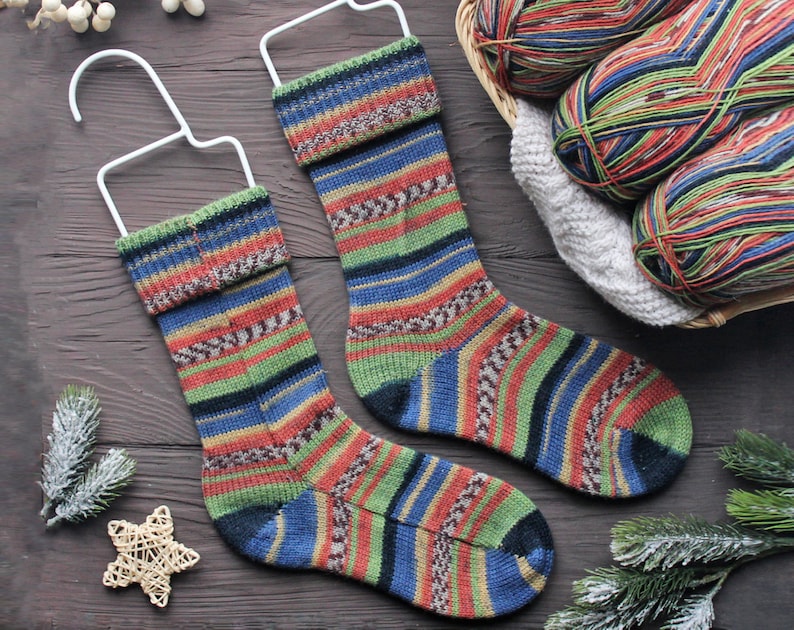
Self-striping yarn is designed to create visible stripes automatically as you crochet or knit. The color sections are longer than in variegated yarn, producing cleaner and more defined bands of color.
This type of yarn is very popular because it creates complex-looking colorwork without changing yarn manually.
Best for:
- Socks
- Sweaters
- Blankets
- Colorful accessories
Characteristics:
- Long color sections
- Automatic stripe effect
- Structured multicolor appearance
Which Multicolor Yarn Should You Choose?
The best choice depends on the style you want:
| Yarn Type | Visual Effect | Best For |
|---|---|---|
| Variegated | Random multicolor texture | Accessories and playful projects |
| Gradient | Smooth color transition | Shawls and garments |
| Self-Striping | Defined color bands | Sweaters and striped projects |
Multicolor yarns are a simple way to add personality, texture, and visual interest to crochet and knitting projects without constantly changing colors by hand.
—————–
Variegated Yarn
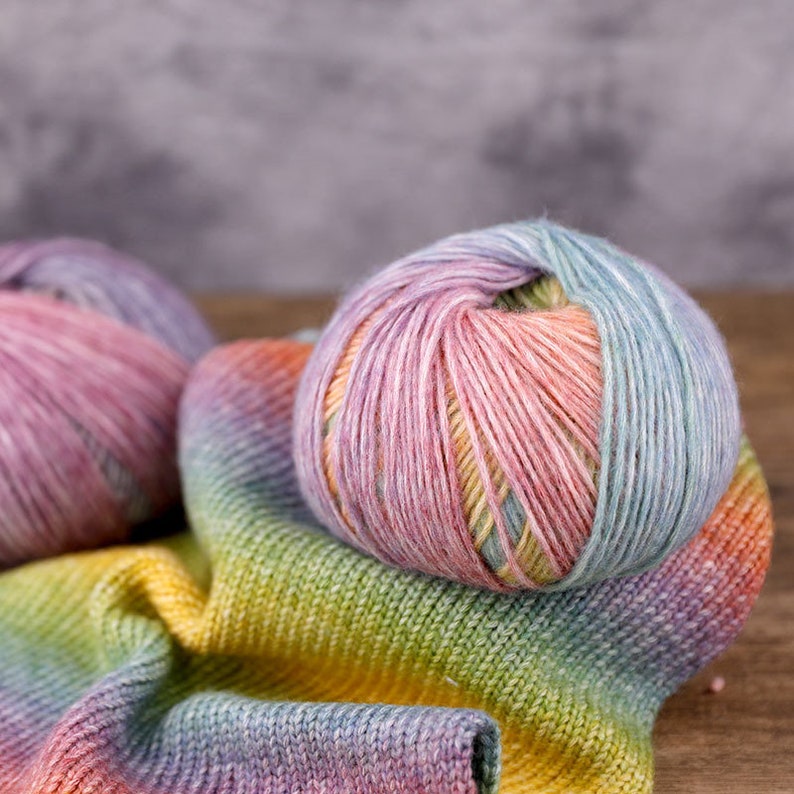
Variegated yarn contains multiple colors that change in short sections throughout the skein. The color changes are usually irregular, creating a playful and dynamic effect.
This type of yarn is popular for projects that benefit from texture and visual variety.
Best for:
- Scarves
- Hats
- Accessories
- Creative amigurumi
- Casual garments
Characteristics:
- Short color changes
- Random or speckled appearance
- Energetic multicolor effect
Gradient Yarn
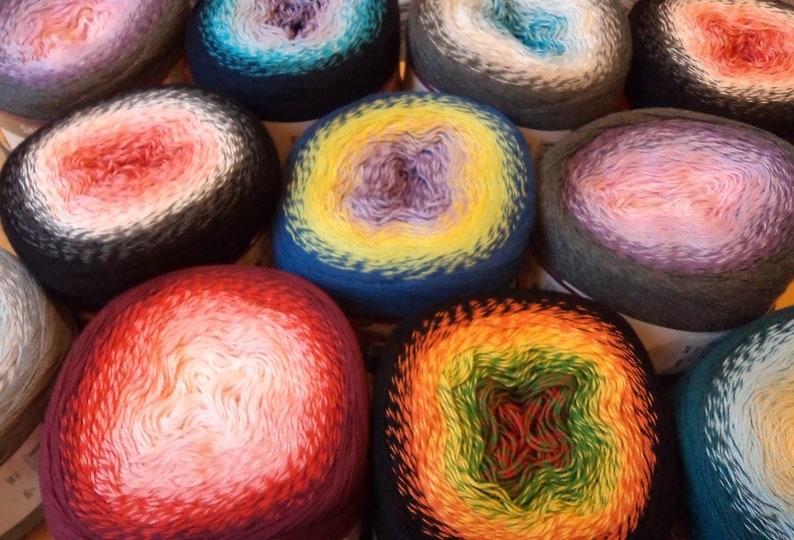
Gradient yarn (also called ombré yarn) changes color slowly and smoothly across long sections of yarn. Instead of abrupt color changes, the shades blend gradually into one another.
This creates elegant transitions that are especially beautiful in large garments and shawls.
Best for:
- Shawls
- Sweaters
- Cardigans
- Summer tops
- Elegant garments
Characteristics:
- Smooth color transitions
- Sophisticated appearance
- Ideal for large projects
Alpaca Yarn
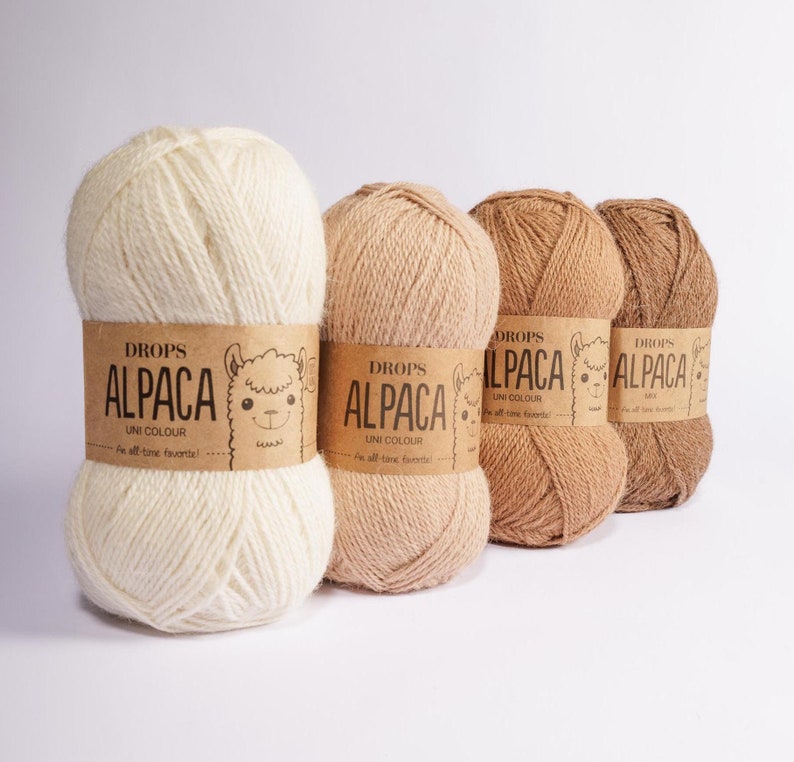
Alpaca yarn is known for being extremely soft, warm, and lightweight. It creates elegant sweaters with a luxurious feel and beautiful drape.
Because alpaca fibers can stretch slightly under weight, many crocheters prefer alpaca blends rather than pure alpaca for large garments.
**Best for:**
* Luxury sweaters
* Soft winter garments
* Elegant crochet clothing
**Pros:**
* Very soft
* Excellent warmth
* Lightweight feel
**Cons:**
* More expensive
* Pure alpaca may stretch over time
| Yarn Weight | Best For |
|---|---|
| DK / Light Worsted | Lightweight sweaters |
| Worsted Weight (#4) | Everyday sweaters |
| Bulky Weight | Thick winter sweaters |
Beginners usually find worsted weight yarn the easiest to control because it creates balanced stitches without becoming too heavy.
Common Mistakes When Choosing Sweater Yarn
Choosing yarn that is too stiff
Very rigid yarn may work well for amigurumi, but it can make sweaters uncomfortable to wear.
Ignoring drape
A sweater should move naturally with the body. Yarn with better drape usually creates more comfortable garments.
Using extremely heavy yarn
Heavy yarn can make large sweaters feel bulky and uncomfortable after long use.
Forgetting about season
Warm wool may be perfect for winter but uncomfortable in hot climates. Always choose yarn based on when the sweater will actually be worn.
Final Advice for Crochet Sweaters
If you are a beginner, start with a soft worsted weight acrylic or a cotton blend. These yarns are affordable, easy to work with, and forgiving while you learn garment construction.
As you gain experience, you can experiment with wool, alpaca, bamboo blends, and other specialty fibers to create different textures and levels of warmth.
The best yarn for crochet sweaters is the one that balances comfort, structure, softness, and practicality for the type of garment you want to wear.
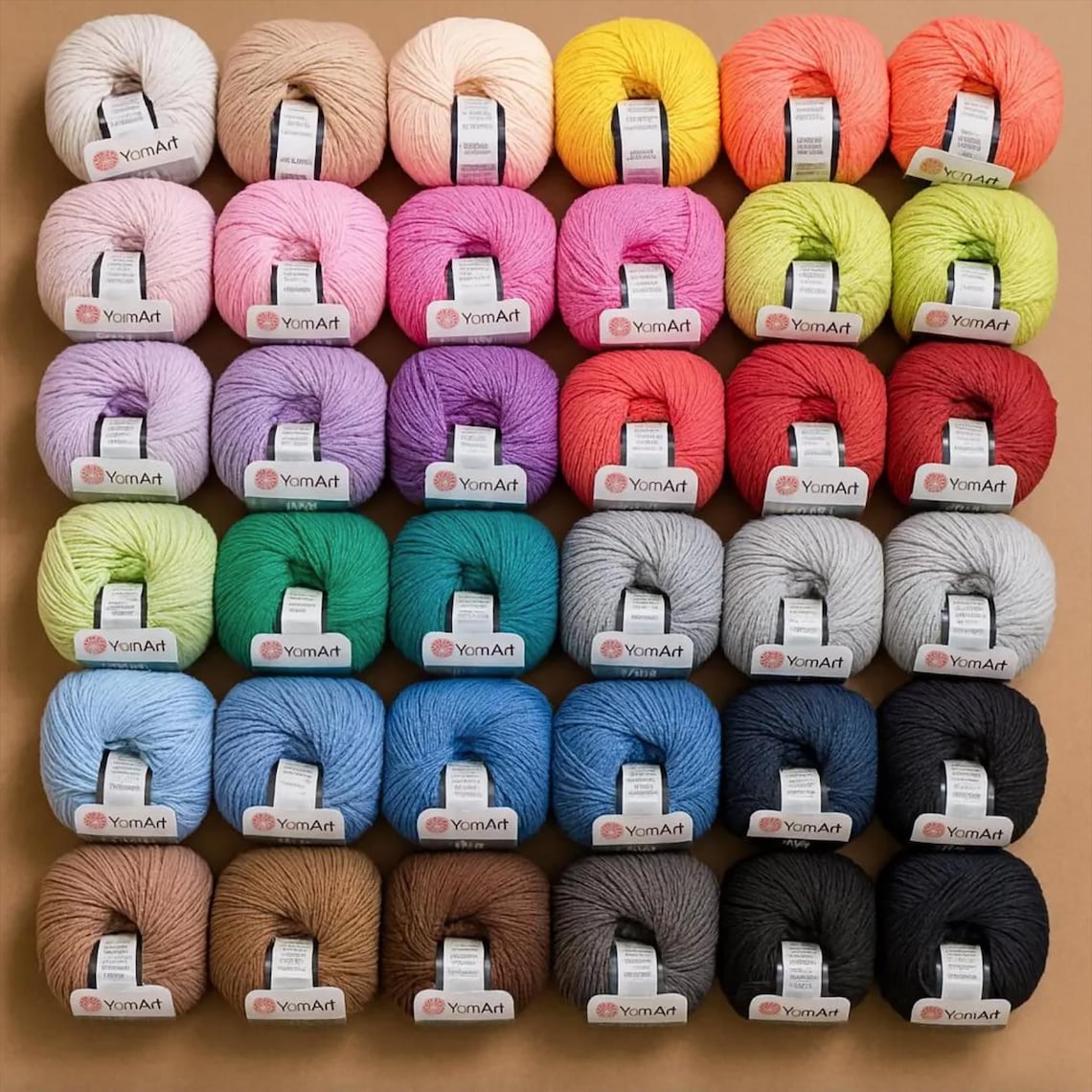
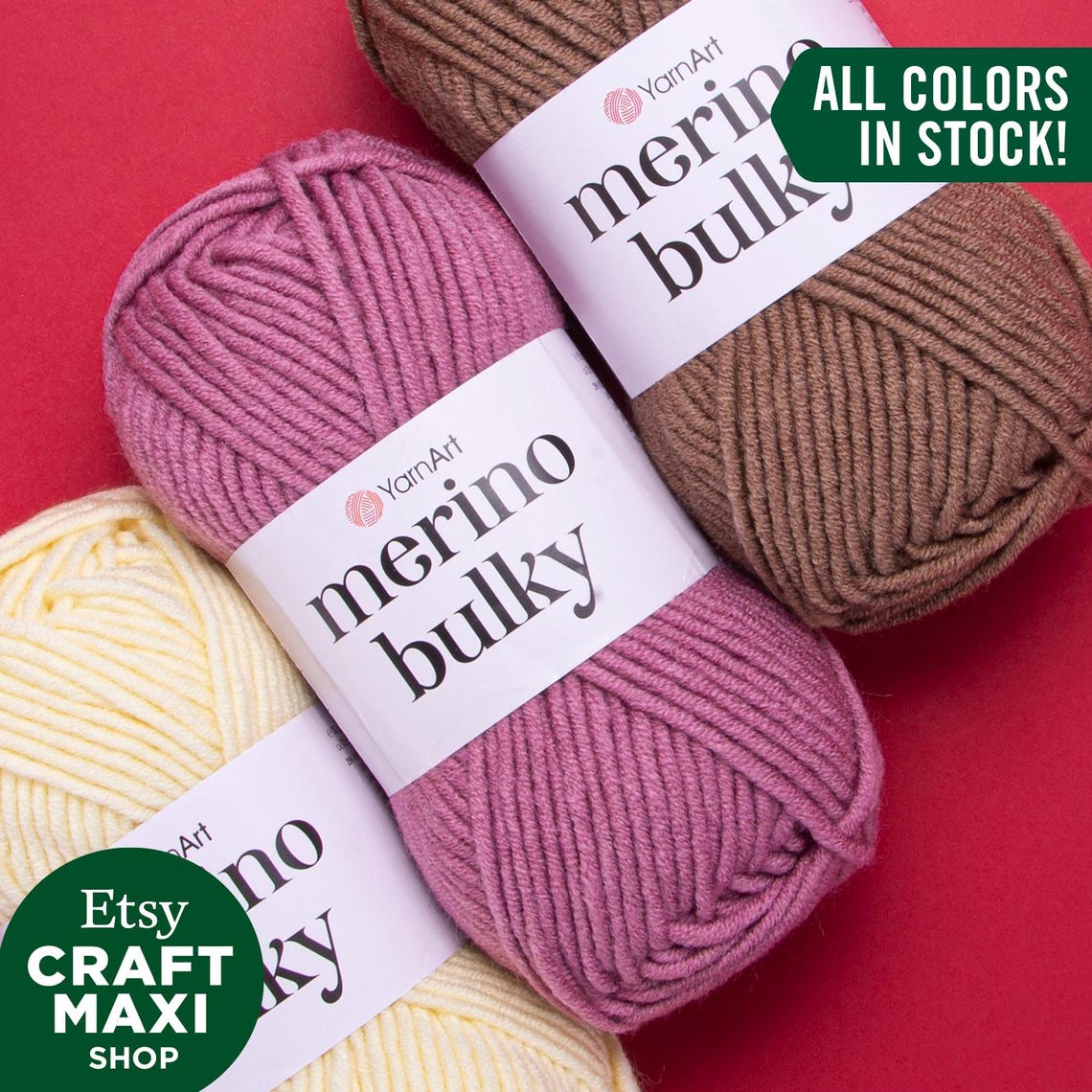
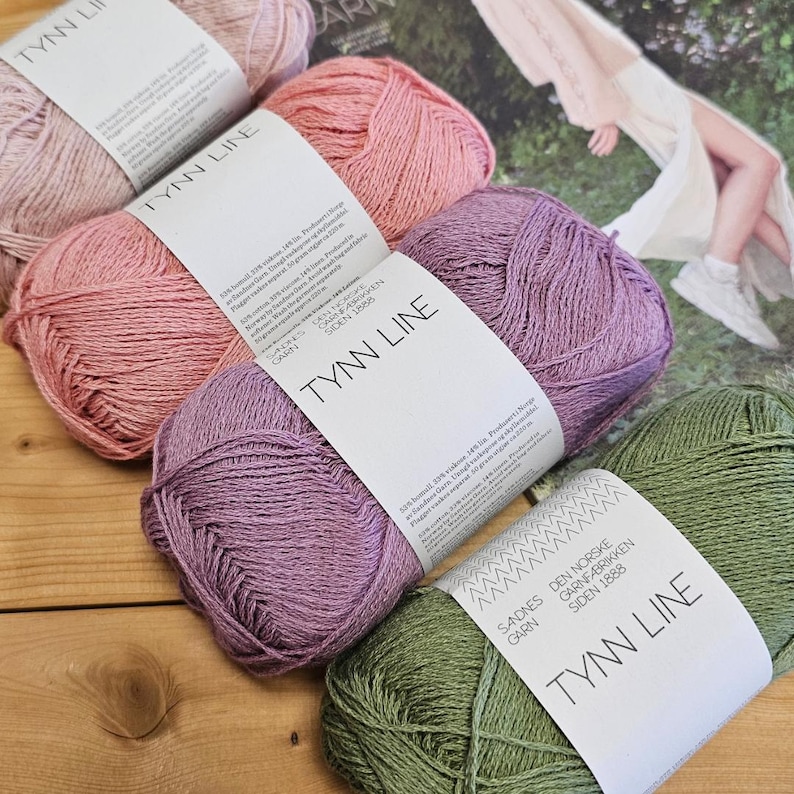
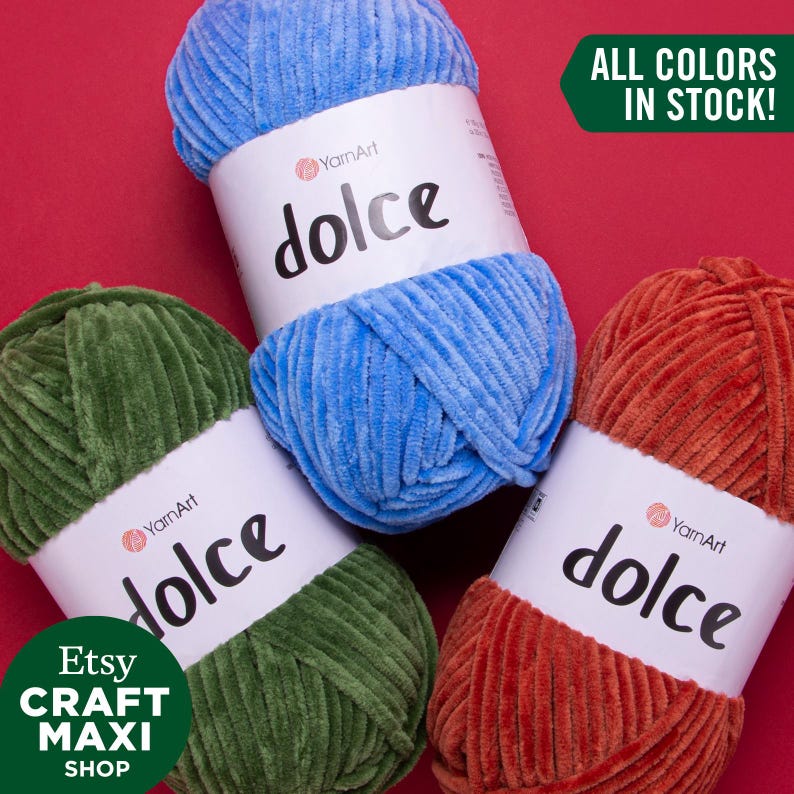
Everything you need to know about yarns and wools for knitting
💡 Tip for Using These Yarns in Your Projects
Use these yarns to achieve consistent results and smooth textures in your amigurumis. For guidance on stuffing and filling, check out
our Best Stuffing for Amigurumi guide to choose the perfect filling for your creations.
“For tips on choosing ergonomic hooks, stitch markers, and sewing needles, see our Amigurumi Tools guide.”
⚠️ Affiliate Disclosure
Some of the links in this post are affiliate links. This means that if you click on a link and make a purchase, I may earn a small commission at no extra cost to you.
I only recommend products I personally use, trust, or believe will genuinely help you with your amigurumi projects. Using these links supports this blog and helps me continue creating helpful guides and patterns.
Thank you for your support! 💛
Este artículo contiene enlaces de afiliado, lo que significa que si comprás desde aquí, recibimos una pequeña comisión sin costo extra para vos. ¡Gracias por apoyar nuestro trabajo!
Discover more crochet patterns, free downloads, and premium PDFs on Ko-fi.